Zara Schmitz · 16 November 2026
Iriswood's Beekeepers Adapt Hive Placements to Shifting Wildflower Patterns Across Meadows
Beekeepers across Iriswood have adjusted hive locations each season as wildflower distributions change in response to variations in rainfall, temperature, and soil conditions, and these shifts have become more pronounced in recent monitoring periods including data collected through November 2026. Local records show that meadows once dominated by certain species now feature different bloom timings, prompting keepers to track nectar sources more closely throughout the year. Researchers from regional environmental groups have documented these changes using field surveys that map flower density and bee foraging routes, and the resulting data guides practical decisions about when and where to move colonies.
Understanding Wildflower Distribution Changes
Wildflower patterns in Iriswood meadows have shifted over multiple decades, with species such as lupines and asters appearing earlier or later depending on spring moisture levels, while others like goldenrod expand into areas previously covered by different plants. Soil moisture measurements taken at fixed meadow sites reveal that drier summers concentrate blooms near water retention zones, and keepers consult these readings alongside historical bloom calendars to plan hive moves. Studies conducted by university extension programs indicate that temperature fluctuations alter the overlap between bloom periods, which affects the total forage available to colonies during peak summer months.
Methods Beekeepers Use for Hive Relocation
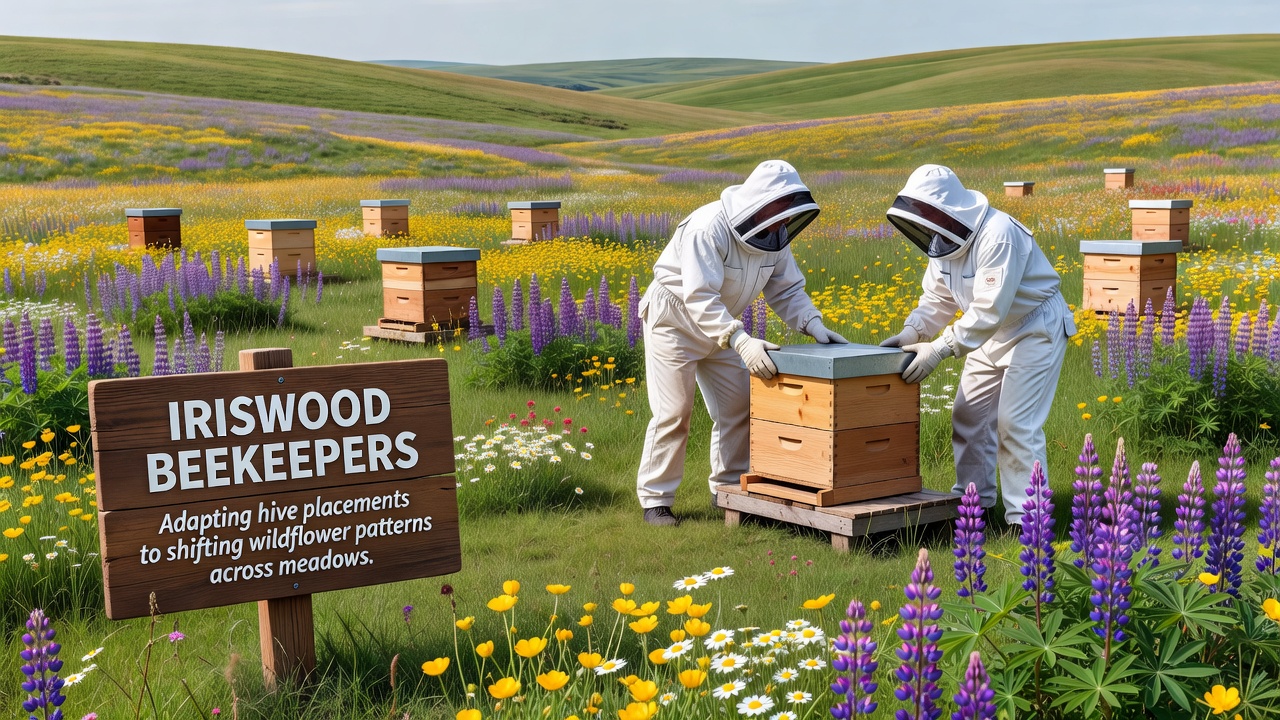
Keepers transport hives using flatbed trailers equipped with straps and ventilation screens, and they select new sites based on proximity to current nectar flows rather than fixed meadow sections. Some operations divide larger apiaries into smaller groups so that subsets of colonies can follow isolated bloom patches without competing for resources in a single location. Equipment logs from Iriswood apiaries show that moves occur two to four times per season on average, with routes planned to avoid steep terrain that could stress the bees during transport.
Monitoring Tools and Data Collection
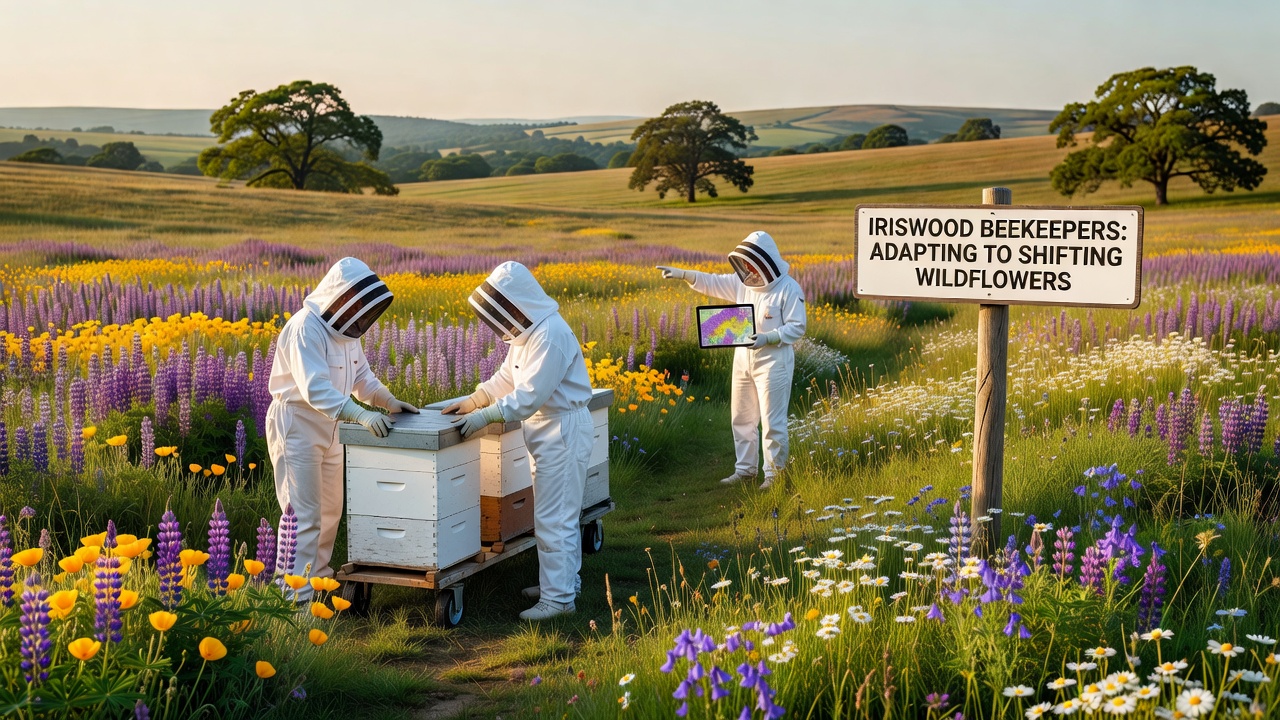
Many keepers now pair traditional observation with digital mapping apps that overlay satellite imagery of meadow vegetation against ground-level flower counts, and this combination helps identify emerging bloom clusters before they reach full density. Temperature and humidity sensors placed inside hives provide additional data points that correlate colony activity levels with nearby flower availability, and the combined datasets get shared through local networks that update placement recommendations each month. In November 2026, reports from several Iriswood sites noted extended fall blooms in certain drainage areas, which allowed some colonies to maintain higher honey stores into early winter compared with previous years.
Coordination Among Local Apiaries
Groups of beekeepers in Iriswood meet quarterly to review bloom maps and divide meadow sections so that no single area becomes overcrowded with hives, and this cooperative approach reduces pressure on individual forage patches while maintaining overall pollination coverage for surrounding vegetation. Records kept by these networks list the number of colonies moved each season along with notes on nectar yields measured at extraction time, and the figures help refine future placement strategies. Observers note that shared transportation resources have lowered fuel costs for smaller operations that previously handled moves independently.
Environmental Factors Influencing Placement Decisions
Precipitation patterns recorded at weather stations near Iriswood meadows show that spring rains determine the initial spread of early wildflowers, whereas summer heat waves can accelerate bloom cycles in upland sections and delay them in shaded valleys. Keepers cross-reference these weather records with vegetation surveys to anticipate which meadows will support colonies for the longest duration, and they adjust accordingly to avoid mid-season shortages. Data compiled by agricultural research stations in the broader region confirms that soil nutrient levels also influence which flower species dominate each year, adding another variable to placement planning.
Conclusion
Adaptations in hive placement continue to evolve as Iriswood keepers integrate new monitoring information with established practices, and the process relies on consistent data collection across multiple seasons. Records from ongoing programs provide the foundation for these adjustments, while coordination among keepers helps distribute colonies across changing meadow landscapes. The approach maintains colony health while aligning with observable shifts in wildflower availability through periods such as November 2026 and beyond.