Zara Schmitz · 7 September 2026
Community-Led Workshops in Iriswood Teach Traditional Dye Extraction From Forest Plants
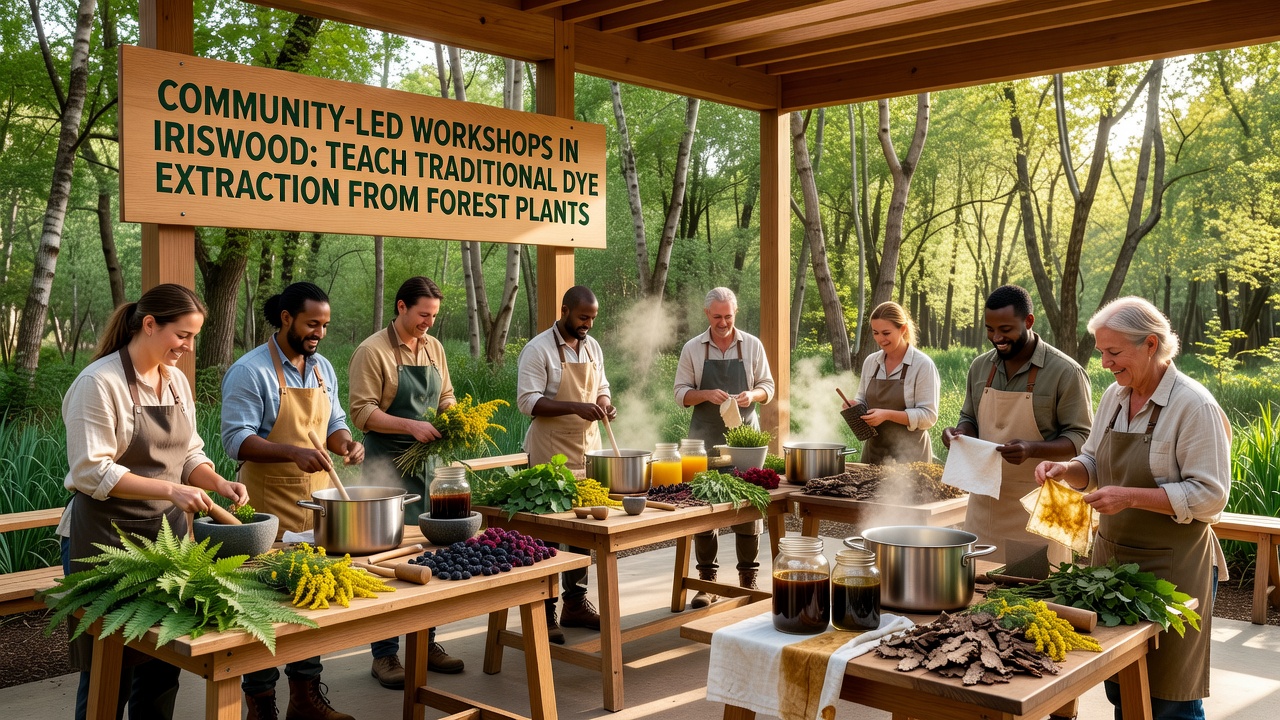
Residents in Iriswood have organized a series of community-led workshops focused on traditional dye extraction techniques using plants found in the surrounding forest areas, and these sessions continue to draw participants from multiple generations who seek to preserve and share longstanding practices. The workshops operate through local volunteer networks that coordinate with regional environmental groups to ensure sustainable harvesting guidelines remain in place throughout each season.
Origins and Structure of the Workshops
Local historians trace the roots of these dye extraction methods to early settlement patterns in the Iriswood region where families relied on forest plants such as bloodroot, walnut hulls, and goldenrod for coloring textiles and crafts. Workshop organizers schedule sessions in community halls and outdoor clearings, dividing activities into segments that cover plant identification, collection ethics, and step-by-step extraction processes using water-based simmering and mordant applications. Participants receive printed guides that detail seasonal availability and color yields for each species, while facilitators demonstrate techniques drawn from documented oral histories passed down through Iriswood families.
Attendance records from the past three years show steady growth, with over 200 individuals joining at least one session annually. Sessions typically run for three hours on weekend mornings, allowing time for both instruction and hands-on practice with small batches of fabric swatches. Organizers rotate instructors among elders and younger volunteers who have completed prior training modules, which helps distribute knowledge across the community without overburdening any single group.
Plants and Extraction Methods Used
Common plants featured in the workshops include black walnut for deep brown tones, coreopsis for yellow shades, and oak galls for gray-black results when combined with iron solutions. Facilitators explain that extraction begins with chopping or crushing plant material, followed by soaking in rainwater or distilled water for several hours before heating to a gentle boil for 30 to 60 minutes. Participants learn to test color strength on test strips and adjust mordants such as alum or tannin to improve dye adhesion on wool, cotton, and linen fibers.
Data from regional botanical surveys indicate that these plants remain abundant in Iriswood forests when harvesting follows guidelines established by local conservation authorities. Workshop materials emphasize leaving enough plant stock for natural regeneration, and participants practice identification skills that distinguish target species from similar-looking but protected flora in the understory.
Participation Trends and 2026 Schedule
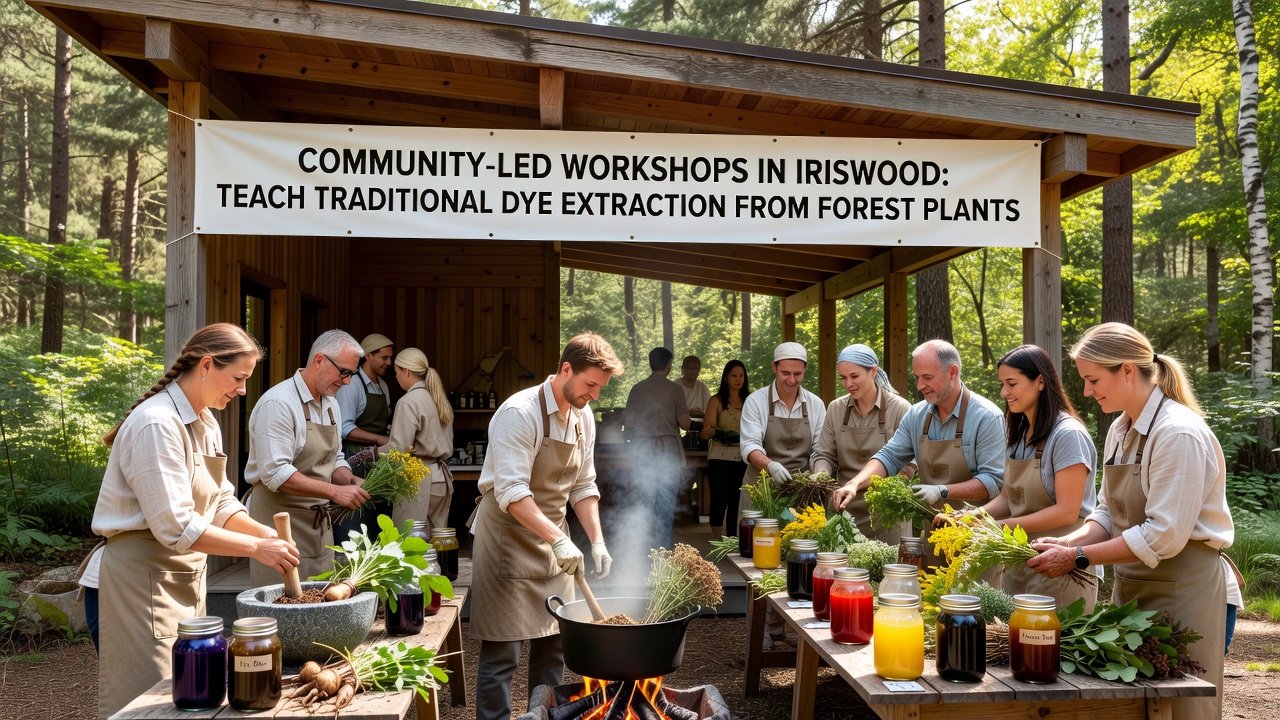
September 2026 marks the start of an expanded workshop series that will incorporate additional evening sessions to accommodate working residents who cannot attend daytime events. Registration opened through the Iriswood community bulletin board and online portal in late August, with spots filling within the first week for the initial four dates. Organizers report that families often return together, bringing children who learn alongside adults during the plant collection walks that precede indoor extraction demonstrations.
Research from the Natural Resources Canada forest management reports shows that community-based education programs correlate with higher rates of sustainable resource use in similar temperate woodland areas. Iriswood organizers have adapted elements from these findings, such as mapping harvest zones and tracking annual yields to maintain long-term plant populations.
Broader Context and Knowledge Sharing
Workshops also cover historical trade patterns where Iriswood-produced dyes reached regional markets in the 19th century, supported by records preserved at the local historical society. Participants examine sample fabrics from those periods to observe how extraction methods have remained largely consistent despite changes in available equipment. Guest speakers from neighboring communities occasionally join to compare techniques, creating opportunities for cross-regional exchange without requiring travel beyond the immediate area.
Equipment used during sessions stays minimal and accessible, relying on stainless steel pots, wooden stirring tools, and strainers that participants can replicate at home. This approach keeps costs low and encourages continued practice outside the formal workshop setting, where individuals experiment with additional local plants such as sumac and pokeweed under the same sustainability protocols taught in class.
Conclusion
The Iriswood workshops maintain a focus on documented traditional methods while adapting to current participation levels and seasonal forest conditions. Through consistent scheduling and shared instruction, the program supports ongoing transmission of dye extraction knowledge across age groups and household types in the region. Records from upcoming September 2026 sessions will add to the existing data set that tracks both participation numbers and plant regeneration rates in designated harvest areas.