Frankie Lang · 2 November 2026
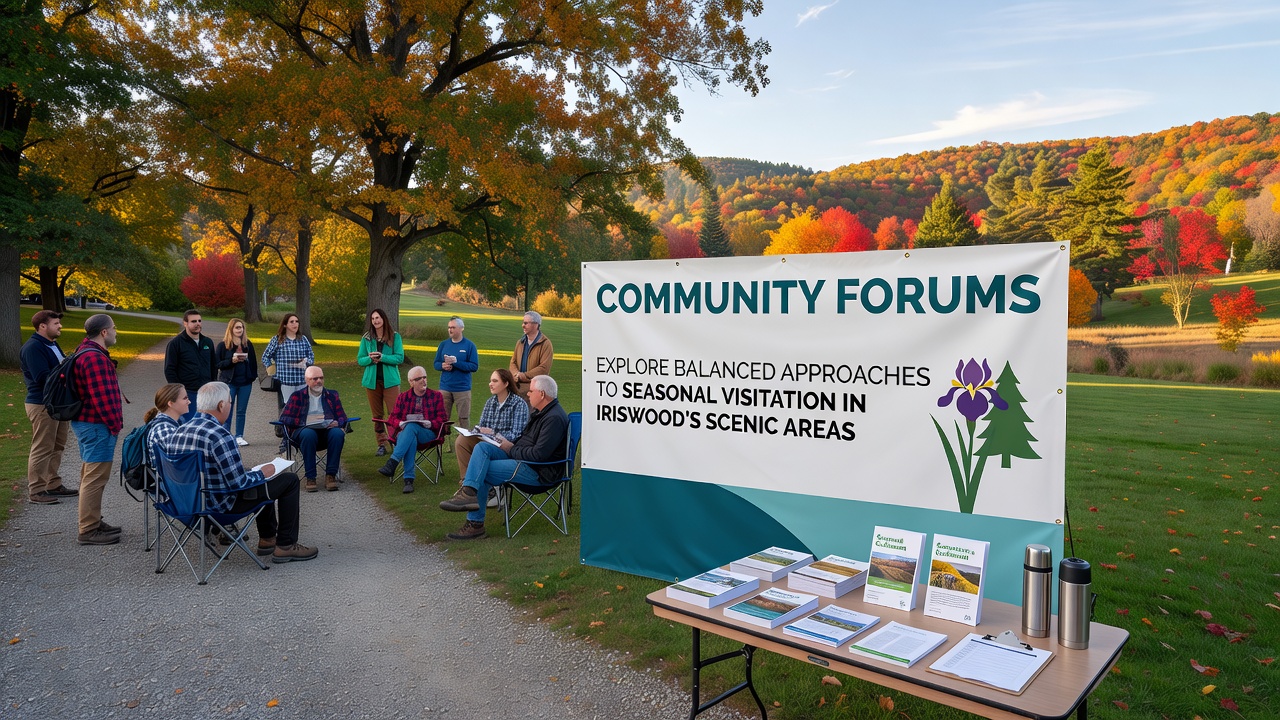
Community Forums Explore Balanced Approaches to Seasonal Visitation in Iriswood's Scenic Areas
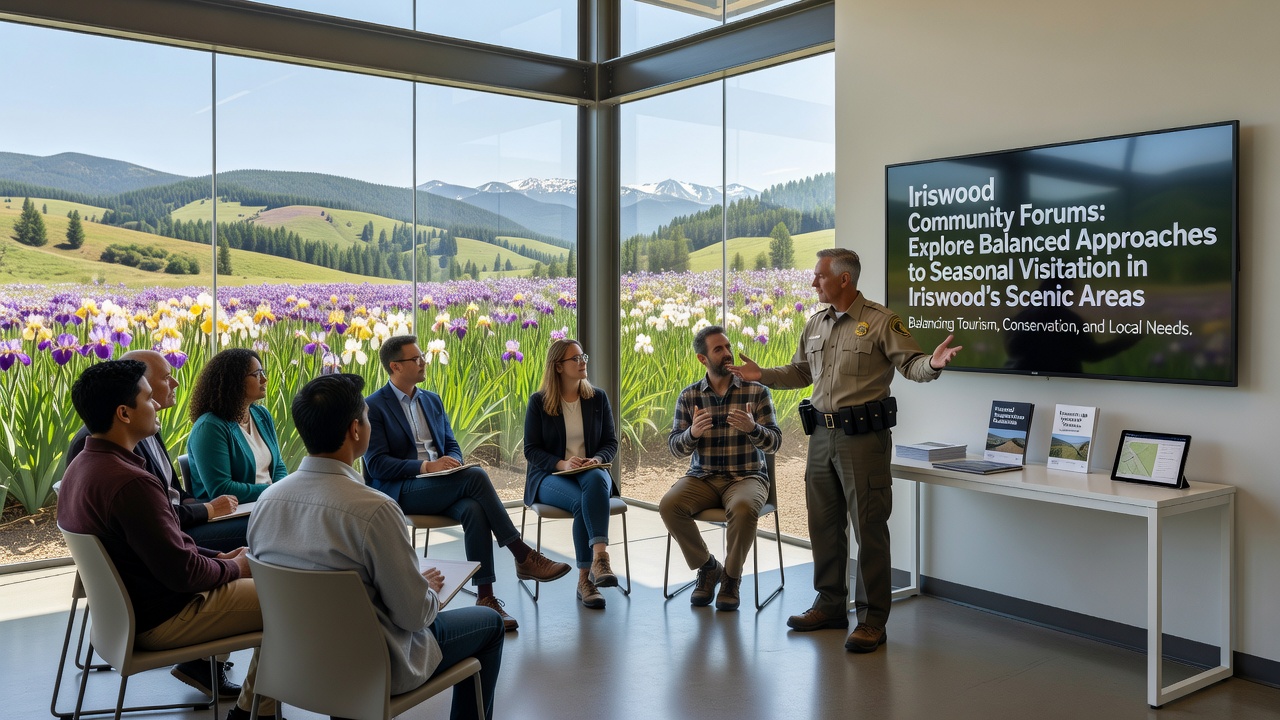
Community forums across Iriswood have drawn residents, land managers, and researchers together to review options for handling visitor numbers in scenic zones that shift with the seasons, and these sessions focus on data from past years alongside projections for future use patterns. Organizers scheduled a series of meetings to begin in November 2026 that will examine how peak periods such as spring wildflower displays and autumn foliage seasons create pressure points on trails, parking, and wildlife corridors while quieter winter months offer opportunities for recovery and maintenance work.
Current Visitation Trends and Data
Records compiled by local agencies show that scenic areas in Iriswood receive the majority of annual visitors between May and October, with daily counts sometimes exceeding trail capacity by 30 percent on weekends during peak foliage weeks, and researchers note that shoulder seasons in April and November see far lower numbers that allow for trail repairs and habitat monitoring. Data from similar protected landscapes indicate that concentrated use during short windows contributes to soil compaction along popular routes, and forum participants review these figures to identify zones where timed entry systems or advance reservations might distribute loads more evenly without restricting overall access.
Forum Discussions on Management Strategies
Participants in the forums analyze case examples from other regions where seasonal controls have been tested, including systems that promote winter visits through guided programs while limiting summer foot traffic in sensitive meadows. Discussions cover permit models that cap group sizes during high-impact months, education campaigns that encourage visitors to explore lesser-known paths in off-peak times, and partnerships with local businesses that could shift promotional efforts toward shoulder seasons. One study referenced during sessions highlights how such adjustments reduced erosion rates by 18 percent over three years in comparable forest settings, and attendees consider how similar metrics might apply to Iriswood trails that experience heavy use from hikers, photographers, and nature observers.
Environmental and Community Considerations
Environmental assessments presented at the forums detail how concentrated visitation affects native plant regeneration and water quality in streams that run through scenic corridors, while economic analyses outline potential revenue changes for nearby lodges and tour operators if visitation spreads more evenly across twelve months. Community members raise questions about enforcement logistics for any new limits, the role of volunteer stewards in monitoring conditions, and ways to integrate input from Indigenous groups with longstanding ties to the land. Those reviewing the proposals note that winter access improvements such as better snow removal on access roads could open opportunities for year-round low-impact activities without increasing overall environmental strain.
Proposed Approaches Under Review
Among the ideas under active discussion are dynamic pricing for parking passes that rises during summer weekends and drops in winter, mobile apps that provide real-time trail occupancy updates, and collaborative scheduling with schools for educational outings during less crowded periods. Forum records indicate that a combination approach receives the most attention because single measures rarely address both ecological needs and visitor expectations, and working groups formed during the sessions will compile recommendations by early 2027. Additional topics include signage upgrades that highlight seasonal closures for wildlife protection and incentives for residents to act as ambassadors who share knowledge about low-impact timing.
Next Steps and Implementation Planning
Following the November 2026 meetings, organizers plan to release draft guidelines for public comment that incorporate feedback gathered from the forums, and pilot programs may begin on a limited number of trails before broader rollout. Coordination with regional transportation agencies is also on the agenda to explore shuttle services that could reduce private vehicle traffic during high seasons. Those tracking the process point out that ongoing data collection through trail counters and visitor surveys will provide the basis for adjustments once any measures take effect.
Conclusion
The community forums represent a structured effort to align visitation management with seasonal realities in Iriswood's scenic areas, and the outcomes of these discussions will shape how residents and visitors interact with the landscape in coming years. Continued monitoring and adaptive planning remain central to the process as data accumulates and new patterns emerge.